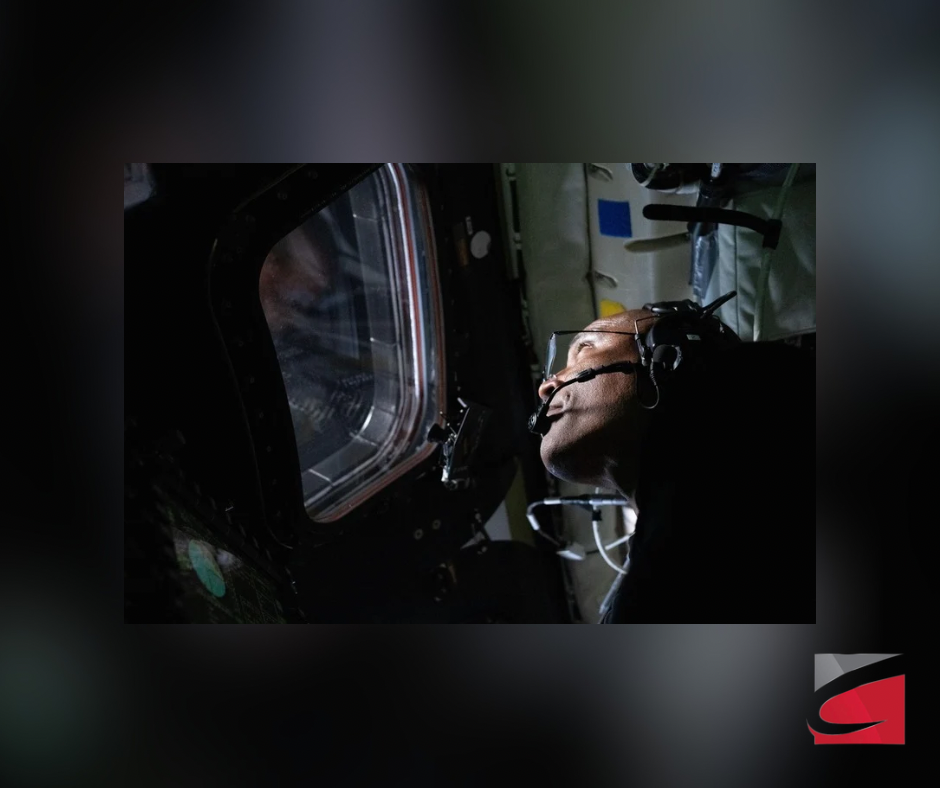
Artemis II is entering its final phase, with NASA targeting a splashdown Friday, April 10, 2026. If all stays on track, Orion will land in the Pacific Ocean at about 7:07 p.m. Central Time, closing out the 10-day mission around the Moon.

Earlier that afternoon, the crew will shift fully into return operations. Final trajectory adjustments will take place as teams prepare Orion for its descent. Around the same time, astronauts will suit up and begin entry procedures while mission control tracks each step.
As the evening approaches, the timeline begins to tighten. In the final stretch before reentry, the European Service Module will separate from the Orion crew capsule. That module will burn up in the atmosphere, leaving the crew module to continue alone.
Shortly after separation, Orion will make a brief maneuver to properly align for entry. From that point forward, the spacecraft is committed to its path back to Earth.

Just before 7:00 p.m. Central Time, Orion will begin atmospheric entry. The capsule will hit the upper atmosphere at nearly 25,000 miles per hour. Temperatures outside will rise to around 5,000 degrees Fahrenheit as the heat shield absorbs the extreme heat.
As the capsule moves deeper, communication may briefly drop due to plasma buildup. At the same time, the crew will experience strong G-forces as the spacecraft slows rapidly.
Within minutes, the focus will shift from heat to control. Parachutes will deploy in stages, first to stabilize the capsule, then to slow it down. By the final phase, Orion will descend at roughly 20 miles per hour.
At approximately 7:07 p.m. Central Time, the capsule is expected to splash down in the Pacific Ocean off the California coast.

Recovery teams will already be in position. U.S. Navy divers, small boats, and helicopters will move in quickly to secure the capsule and assist the crew. Shortly after, astronauts will be transferred to a recovery ship nearby.
This return carries weight beyond the mission itself. Artemis II will mark the first crewed return from lunar orbit since the Apollo era. At the same time, NASA will gather critical data on reentry, crew performance, and spacecraft systems.
That data will help shape Artemis III and future missions. In a short window, the mission will move from deep space to ocean recovery, closing one chapter while setting up the next step toward a lunar landing.
Source: NASA
Previous Article: Artemis II Update: NASA Completes Proximity Operations, Prepares for Next Orbital Burn