Anglers fishing in southeastern Louisiana can help wildlife officials track striped bass and support efforts to restore a historic fish population.
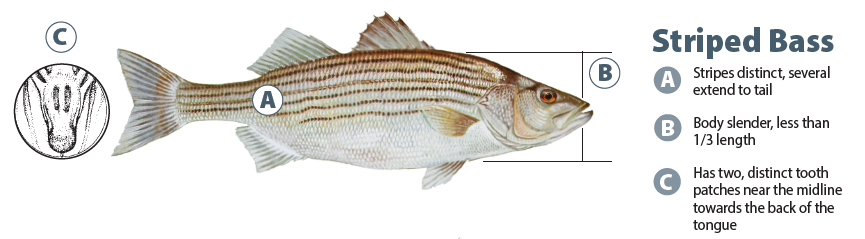
BATON ROUGE, La. (UrbanCast: 11/19/2026) – The Louisiana Department of Wildlife and Fisheries (LDWF) is asking anglers to watch for specially tagged striped bass.
The agency wants fishermen in the Lake Pontchartrain and Pearl River basins to report catches involving fish with orange tags.
The effort supports a partnership between LDWF and the U.S. Fish and Wildlife Service. Together, the agencies are working to restore the historic Gulf Strain Striped Bass population.

What Anglers Should Look For
Wildlife officials have placed orange identification tags near the rear of the dorsal fins of certain striped bass.
These fish also carry internal acoustic transmitters that allow researchers to track their movements.
Anglers who catch a tagged fish should photograph and release it when possible. Although release is not required, wildlife officials strongly encourage the practice.
Additionally, anglers should report the catch by calling the number printed on the tag.
They can also contact LDWF biologist Jonathan Winslow at 985-847-2422.
Officials request the catch location, time, and any additional information that could help researchers.
Thousands of Striped Bass Released
On June 4, 2026, wildlife agencies released 5,500 Gulf Strain Striped Bass into the Pearl River.
LDWF coordinated the stocking effort with federal wildlife officials, Mississippi wildlife authorities, and the Gulf Striped Bass Working Group.
The release represents another step toward rebuilding a sustainable population capable of supporting recreational fishing.
However, researchers need additional information to understand how the fish survive, move, and reproduce.

Anglers Can Help Researchers Collect Samples
LDWF also encourages regular striped bass anglers to participate in its Striped Bass Collaborative Anglers Project (SBCAP).
The program collects information from fish caught throughout southeastern Louisiana.
Its study area includes Lakes Maurepas, Pontchartrain, and Borgne, along with their connecting rivers and the Pearl River system.
Anglers can contribute tissue samples from harvested or released fish.
Participants may request a fin clip collection kit through the LDWF project website.
Alternatively, anglers who harvest striped bass can arrange for wildlife officials to collect their cleaned fish carcasses.
Biologists use these samples to determine fish ages and genetic origins. The analysis helps distinguish Gulf Strain and Atlantic Strain fish while identifying natural reproduction and stocking contributions.
How to Participate
Anglers interested in helping can contact Jonathan Winslow at 985-847-2422.
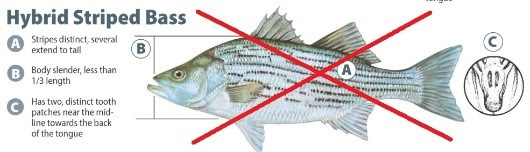
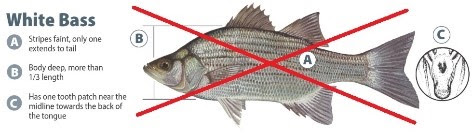
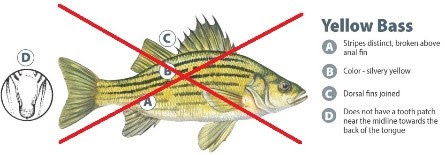
The LDWF Striped Bass Collaborative Anglers Project webpage also provides identification information, sampling instructions, and participation details.
Officials say anglers’ participation will help guide restoration efforts and support the future of striped bass fishing in Louisiana.
Source: Louisiana Department of Wildlife and Fisheries, November 18, 2026.
Previous Article: Louisiana’s Annual Free Fishing Weekend to be Held June 6-7