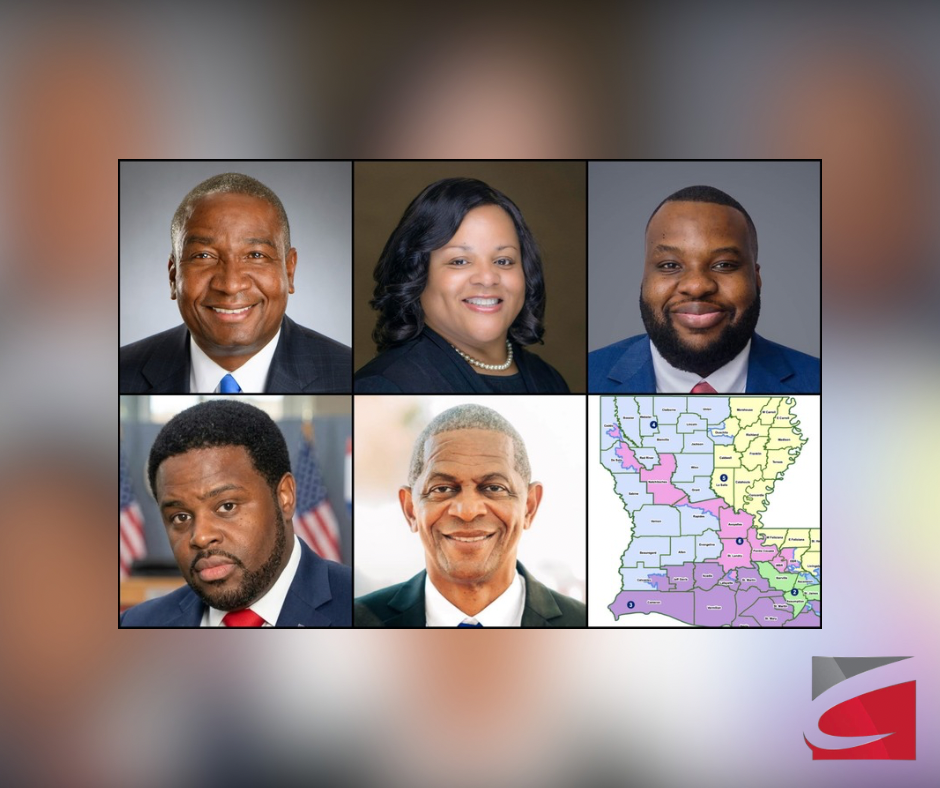
Louisiana (4/29/2026) – A U.S. Supreme Court ruling is expected to reshape Louisiana’s Congressional District 6 map, drawing strong reactions across the state.

The decision focuses on how race is used in redistricting. As a result, Louisiana now faces changes that could impact how its congressional lines are drawn moving forward.
Democrats strongly opposed the ruling.
The Louisiana Democratic Party called the decision “reckless and deeply damaging.” The party said the ruling weakens protections under the Voting Rights Act and threatens fair representation.
In its statement, the party described the decision as “another attack on the Voting Rights Act and a direct blow to the hard-fought progress generations of Americans sacrificed to achieve.” It warned that weakening Section 2 could reduce the political power of minority communities.
The party also pointed to Louisiana’s history with discriminatory voting practices. It said the ruling risks reversing decades of civil rights progress and could impact elections beyond Congress, including local offices.
Democrats urged action moving forward. They called on Congress to strengthen voting protections and encouraged voters to remain engaged during the redistricting process.
Congressman Cleo Fields, who represents Louisiana’s 6th Congressional District, also responded. He emphasized the importance of protecting fair representation and ensuring every voice is heard.

On the other side, Republican leaders supported the decision.
Governor Jeff Landry said the ruling affirms the state’s authority over redistricting. He argued that drawing districts for political reasons is a state responsibility, not a federal civil rights violation.
Landry added that federal courts cannot require race-based redistricting. He said the ruling limits the use of the Voting Rights Act in cases centered on partisan disagreements.
Republican Candidates
Republican candidates also weighed in.
Christian “Chris” Johnson said the decision protects the rights of Louisiana citizens to proper representation. He argued that race should not be a determining factor in the political process and called for unity across the state.
Peter Williams said the redistricting process could take time. However, he expressed hope that new maps will be fair and based on population, not race. He said representation should reflect all communities.
Larry Davis called the ruling the right decision. He said it reinforces the principle that voters should choose representatives based on beliefs and values.

Monique Appeaning did not provide a statement.
The ruling also comes as voters prepare for the upcoming election. One Democrat is running unopposed in the Louisiana primary, while four Republicans are competing in the Republican primary for the seat.
Early voting for the May 16 election begins Saturday, May 2, and runs through May 9, excluding Sunday. Voters are encouraged to make a plan and cast their ballots early to avoid long lines.
Attention now turns to what happens next. Lawmakers, and possibly the courts, will play a role in determining how Louisiana’s congressional map is adjusted.
The outcome will shape representation in District 6 and across the state for years to come.
Previous Article: Incumbent Cleo Fields, Larry Davis, and Peter Williams Declare for Louisiana 6th District Primary